


Working Group:
Europe Future Ready
Europa steht an einem Wendepunkt. Obwohl der Kontinent über erstklassige Forschungskapazitäten und hochqualifizierte Fachkräfte verfügt, ist er bei technologischer Innovation und Kommerzialisierung ins Hintertreffen geraten. Die Ursache liegt nicht in fehlendem Talent oder mangelnden Ideen, sondern in einem grundlegenden Denkfehler: Europa betrachtet Technologie eher als Risiko denn als Chance.
Europa muss eine strategische Herangehensweise an Technologie entwickeln und seine Stärken gezielt nutzen, um Ideen in weltweit wettbewerbsfähige Lösungen zu überführen. In einer Welt, in der Technologie Macht definiert, ist dieser strategische Wandel eine Notwendigkeit – um die Bürger Europas zu schützen, Wohlstand zu sichern und globale Einflusskraft zu bewahren.
Vorsitz
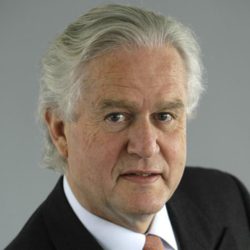
Prof. Dr. Kurt J. Lauk

Dr. Julia Reuss
Teilnehmer

Dyria Sigrid Alloussi
United Europe
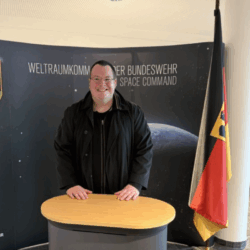
Prof. Dr. Patrick Glauner
Deggendorf Institute of Technology

Dr. Laura Hirvi
Meta

Mats Kuuskemaa
e-Residency Estonia

Felix Rank
Young AI Leaders

Martin Reinhard
Hessian Ministry of Interior

Dr. La Toya Waha
SAP
Three obstacles that define Europe’s current position:
1. Mindset: Europe must replace risk aversion with a delivery mindset that turns its research excellence and talent into technological leadership. A risk-based approach dominates policymaking, stifling innovation before it can flourish.
2. Misplaced Priorities: For too long, Europe has been underinvesting in future-oriented sectors and missed the opportunity to define its own strategic interests.
3. Structural Fragmentation: Overlapping regulations and unaligned strategies on important regulatory dossiers, bureaucratic barriers and fragmented capital markets prevent the emergence of European champions.
Three Pillars for Transformation
The Issue
Europe lacks a coherent concept of digital sovereignty and clearly defined strategic priorities. Calls for technological autarky are no substitute for genuine innovation strategy.
Our Proposals:
-
Conduct transparent assessments of technological vulnerabilities and strategic dependencies
-
Integrate economic and security policy, recognizing technologies as geopolitical instruments
-
Pursue interest-driven partnerships on core technologies with like-minded partners
-
Advance integration of core capabilities, particularly in financial services
-
Reduce dependencies in critical infrastructure, e.g., through the targeted development of European consortia
-
Strengthen cooperation between business, science and public administration on cybersecurity and cyber-defence (e.g. through joint situational centers, CERTs)
The Issue
Overlapping regulations cause fragmentation and deter innovation. Excessive bureaucracy hinders global champions.
Our Proposals:
-
Simplify administrative processes and ensure decision-makers possess technological literacy
-
Harmonize digital regulations across Member States – putting innovation first
-
Develop unified approaches to data use and transfer within the EU and with trusted partners
-
Align public investments with long-term technological priorities
-
Lower energy costs and modernize grids for a digitalized, climate-neutral future
-
Introduce an innovation check for EU legislative initiatives that affect the Single Market
-
Develop an ecosystem of regulatory sandboxes that must be easily accessible for SMEs and start-ups
The Issue
Weak infrastructure, fragmented financing, and the absence of a Banking Union limit Europe’s ability to scale innovations.
Our Proposals:
-
Invest strategically in energy systems, digital networks, mobility, and defense infrastructure
-
Align geospatially important dossiers and strategies for future digital technologies and defence-friendly environments
-
Foster competitive, innovation-driven markets to help European AI leaders scale globally
-
Develop autonomous launching capabilities and satellite networks for economic and military resilience
-
Prioritize European software and automation leadership, medical tech and space tech
-
Complete the Banking Union to empower start-ups and future industrial champions
Call to Action: Changing the Narrative
Unleash Europe’s potential – make technology Europe’s decisive edge. The time to act is now. Europe possesses the talent, research base, and innovative capacity to become a global technological leader. What is required is a fundamental shift in mindset – from risk-averse to opportunity-driven, from fragmentation to unity, from regulation to innovation. Forge assets into a strategic edge – Europe’s secure and prosperous future depends on it.
This position paper synthesizes insights from industry leaders, policymakers, and academic experts to chart a path toward European technological leadership and economic renewal. It outlines the structural barriers holding Europe back and proposes concrete solutions to transform the continent into a global innovation leader.